By MARI YAMAGUCHI Associated Press
TOKYO (AP) — A Tokyo court has awarded legal protection to the human voice in a landmark case in which a popular Japanese anime voice actor demanded that TikTok close an account over its unauthorized use of an artificial intelligence clone of his trademark baritone.
The Tokyo District Court’s decision Wednesday was the first acknowledgment of the right to one’s voice in Japan. The ruling was good news for many anime voice actors at a time when they are increasingly concerned about the use of AI-generated versions of their voices on social media.
The plaintiff, Kenjiro Tsuda, is an actor best known for his “lustrous and deep” voice in starring characters such as Kento Nanami in “Jujutsu Kaisen,” a popular anime series.
In his lawsuit, Tsuda said that the anonymous operator of the TikTok account “Nanami” wrongfully profited by attracting viewers with his voice narrating in more than 180 videos about urban legends and paranormal phenomena, and asked for the material to be deleted.
“The human voice is symbolic of individual personality, just like one’s portrait,” Presiding Judge Aya Takahashi said, according to a court document seen by The Associated Press.
It is appropriate to consider the unauthorized use with an obvious intention to take advantage of the commercial appeal of Tsuda’s voice “an infringement of publicity rights,” Takahashi said.
As of November 2025, the account had more than 200,000 subscribers, with viewers often noting the similarities between the narrator’s voice and Tsuda’s.
The defendant argued that the videos used an AI-generated voice that sounded like Tsuda’s but was not his, and that the videos did not damage the actor’s reputation as a voice actor.
The ruling dismissed Tsuda’s demand that all the videos using his voice be deleted, because the account had already been closed.
Wednesday’s decision comes at a time of growing concern among Japanese voice actors about the AI cloning of their trademark voices in anime.
In 2024, OpenAI announced plans to halt the use of one of its ChatGPT voices after “Her” actor Scarlett Johansson said it sounded “eerily similar” to her own.
Last year, Oscar-winning actors Michael Caine and Matthew McConaughey made deals with voice-cloning company ElevenLabs to allow its AI technology to replicate their voices.
News
Tokyo court grants legal protection to human voices in AI clone case
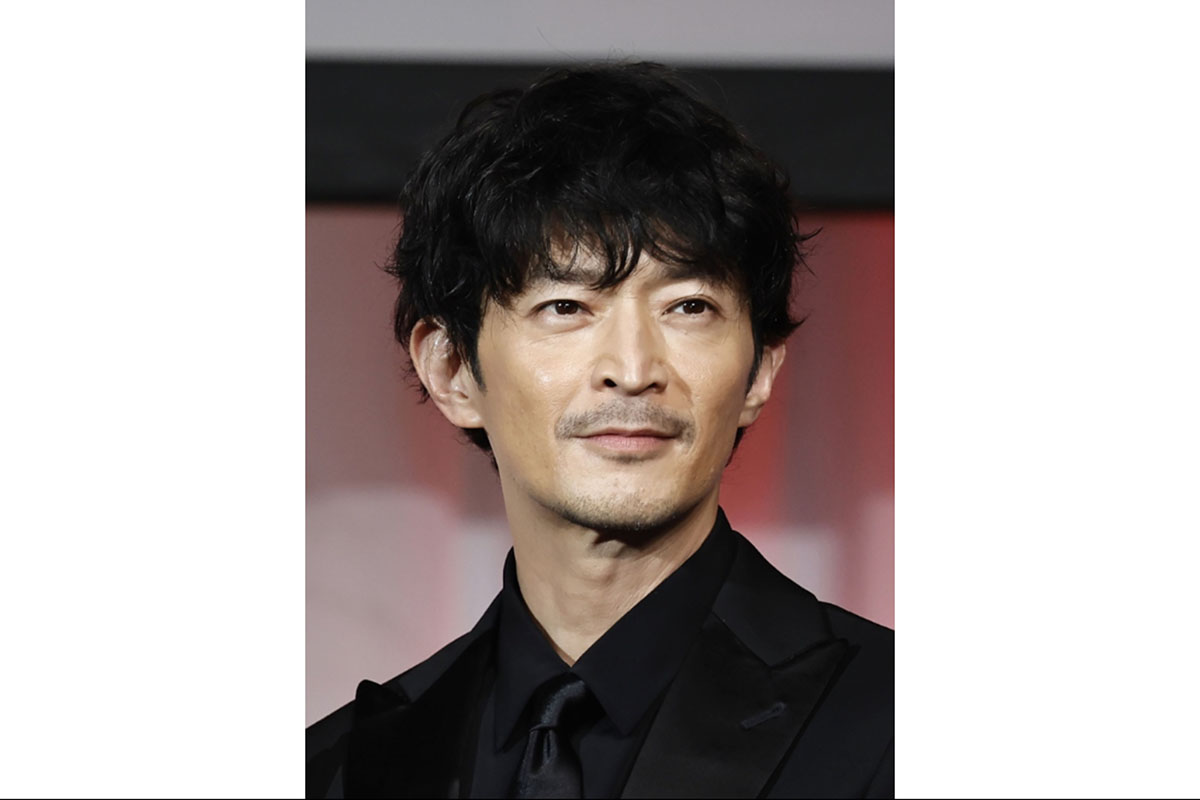
Kenjiro Tsuda, a Japanese actor is seen on a stage, November, 2024, in Tokyo, Japan. (Kyodo News via AP) Photo: Associated Press